Learning to play the piano can be a rewarding and fulfilling experience, but like any skill, it requires practice and the right tools to enhance progress. One effective way to speed up your piano learning is by utilizing built-in metronomes, lessons, and visual displays. These tools provide a structured environment, making it easier for beginners and experienced players alike to develop rhythm, improve timing, and build muscle memory. A metronome is one of the most important tools for any musician, as it helps maintain a steady tempo during practice. For piano learners, a built-in metronome can be an incredibly useful feature. It allows players to practice pieces at various speeds, starting slow and gradually increasing the tempo as proficiency grows. This not only improves rhythmic accuracy but also helps with developing a solid sense of timing. By using a metronome, learners can focus on the consistency of their performance, preventing the habit of speeding up or slowing down unintentionally, which is a common challenge for many beginners.
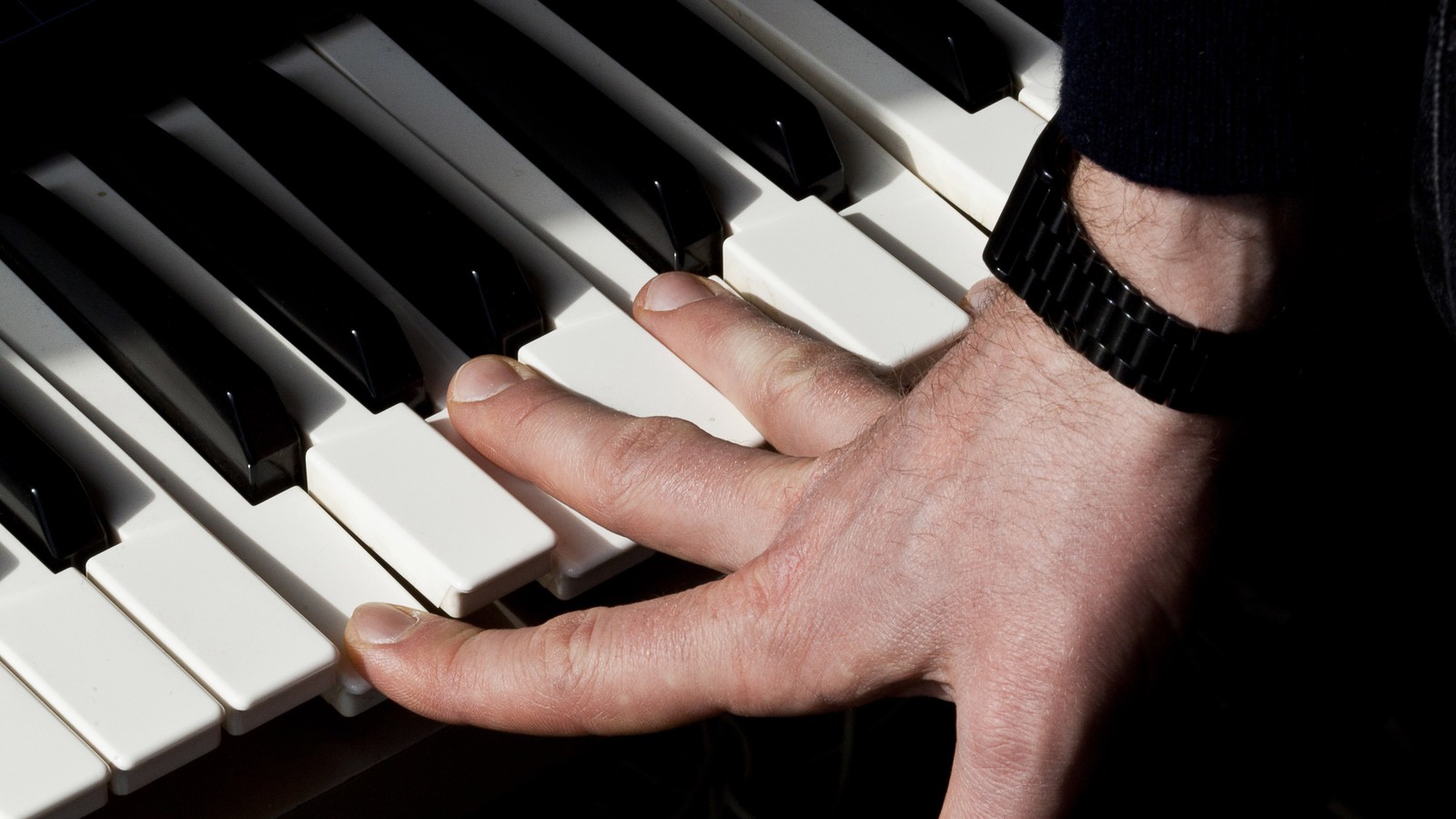
In addition to the metronome, having access to structured lessons can significantly accelerate the learning process. Modern piano learning systems often come with a series of lessons that are designed to guide players from basic concepts to more advanced techniques. These lessons usually start with the fundamentals of reading music, proper finger placement, and basic scales, progressing to more complex musical pieces and advanced techniques. With built-in lessons, players can follow a clear progression, ensuring that they do not miss essential skills or concepts. This structured approach ensures that learners build a strong foundation, preventing gaps in knowledge that could hinder their ability to advance. Another advantage of built-in visual displays is the way they help students connect theory to practice. Visual aids, such as lighted keys or on-screen notes, can show the learner which keys to press and when, making the process of learning much more intuitive. These displays are especially helpful for beginners, as they take away the complexity of reading music at first and allow the player to focus purely on the physical aspect of playing.
As learners become more familiar with the keyboard and their musical notation skills improve, the visual display can gradually fade into the background, allowing for a more traditional playing experience. Using these tools together helps learners become more self-sufficient, as they can practice independently without constant guidance from a teacher. It also builds confidence, as players can work at their own pace, revisit lessons whenever necessary, and track their progress over time and see here https://www.upscalelivingmag.com/news/top-7-reasons-why-consigning-your-piano/. Additionally, the combination of visual feedback, rhythmic guidance, and structured lessons prevents students from feeling overwhelmed by the vast amount of information they need to learn. In conclusion, integrating built-in metronomes, lessons, and visual displays into piano practice provides a comprehensive and effective learning experience. These tools work together to improve a student’s rhythm, timing, and technical skills while offering a structured path for advancement. Whether a complete beginner or someone looking to refine their skills, these tools help make learning piano faster, more efficient, and more enjoyable.a